


10 tips to help you make the perfect doughnuts (not just) for Fat Thursday
On Fat Thursday, we stop counting calories and savour sweet baked delicacies. Some of the most popular are doughnuts, French crullers, and deep-fried pastry ribbons. You can buy them in a patisserie, but it’ll be much more rewarding if you bake them on your own. We hope you enjoy our tips on how to make tasty doughnuts for Fat Thursday (and other occasions)!
There are many recipes for homemade doughnuts or French crullers, but even a detailed recipe won’t guarantee sweet success. In this case, it’s better to learn from other people’s mistakes rather than your own, so we’ve put together some practical tips that housewives have been using for years when baking sweet things.
- If you want to make traditional fried doughnuts, allow yourself at least 2.5 hours of free time, especially if you’re using fresh yeast, from which you’ll need to make your leaven. Remember that yeast dough doesn’t like to be rushed and that rising several times is the secret to perfect consistency.
- When kneading the dough for the doughnuts, try not to add too much flour to it, as the flour will burn during frying. Instead of adding it to the bowl in which the dough will rise, use a small amount of oil to grease the edges and prevent sticking.
- The dough for doughnuts shouldn’t be sweetened. It’s the filling and the topping – icing or icing sugar – that will add sweetness. Excess sugar in the dough can cause it to burn during frying.
- How do you stuff doughnuts? You can do it in two ways – either when still shaping them (remembering to stick the sides of the dough together well so that the marmalade doesn’t run out during frying) or after frying, using a pastry syringe. If you don’t have one, you can use a thick zip-lock bag. Simply spoon the marmalade or pudding into the bag, close it, gently cut off one corner of the bag, pierce your still-warm doughnut and slowly squeeze the filling inside. Of course, you’ll get better results with a confectioner’s tip, but if you don’t have such utensils, a bag will also suffice.
- Prepare a sizable pot or a flat pan with a deep bottom for frying. Don’t skimp on the fat – your doughnuts should be half submerged in it and float freely. Lard or vegetable (rapeseed or sunflower) oil will be best for frying.
- Remember to keep an eye on the temperature of the fat – if it’s too low, it’ll cause the dough to absorb too much oil, while a too-high temperature will burn it on the outside and leave it raw on the inside. It’s best to fry doughnuts at 175-180°C, which you’ll check with a confectioner’s thermometer. If you don’t have one, drop a small ball of dough into the fat – when it starts going brown, the temperature is right, and you can start frying.
- To control the temperature of the fat during frying, it’s a good idea to throw a piece of raw potato into the pan to bring the heat down. Just don’t forget to peel it, wash it, and dry it well before placing it in the hot fat.
- To quickly and evenly coat doughnuts, mini-doughnuts, or French crullers in icing sugar, pour the sweet powder into an all-purpose zip bag and then put your pastries in it. Thanks to the airtight seal, the sugar won’t escape, and the sweet topping will properly coat the pastry.
- If you want to share your sweet creations with friends or take them to work, be sure to have a small bag of icing sugar with you. Before serving, you can dust the sweets with it, which will make them look nicer. Choose proper airtight bags to protect the sugar.
- To keep your yeast-based treats fresh for longer, it’s a good idea to place them under a glass platter or simply cover them with standard baking paper or aluminium foil once they’ve cooled. This will prevent the dough from drying out too quickly.
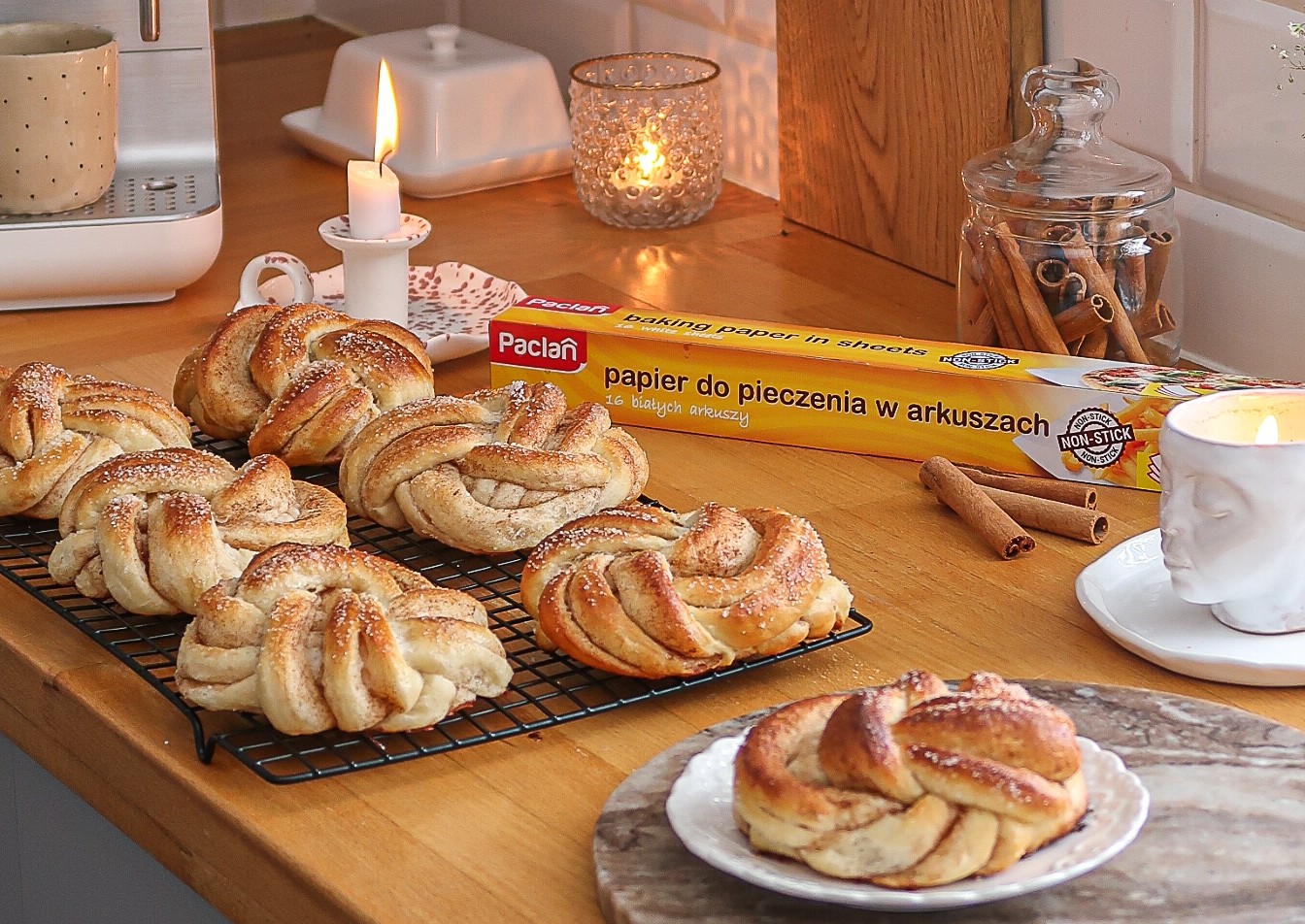
“Although trends in confectionery are changing, the classics are always in demand. Particularly on Fat Thursday, most of us want to recreate the taste of traditional doughnuts or those crunchy homemade pastry ribbons. In such cases, it’s best to seek the advice of the highest authority – your grandmother or mother, who’s most likely a treasure trove of confectionery knowledge – or to use universal tips. It’s also advisable to make use of household products everyone has in their drawers. Small all-purpose bags closed with a string, baking paper, or aluminium foil may surprise you with unusual ways to use them and save you from much of the trouble a confectioner may come across,” says Paclan employee Marta Krokowicz and adds: “Let’s remember, tradition needs to be cherished, and calories don’t count on Fat Thursday, so let’s just enjoy the treats!”